Building Lasting Ownership: Lessons in Community Governance, Wealth, and Resilience.
Authors: Common Future
What does it truly mean for a community to own its future? The mainstream conversation about the “ownership economy” often suggests that inequality can be solved by simply expanding access to assets like homes, businesses, and land. But this narrative overlooks a crucial reality: those most in need of ownership have long faced structural barriers—through laws, real estate practices, and financial systems that have determined not only who can own, but who is able to keep what they have. Expanding ownership alone has never been enough.
Despite these challenges, communities across the country are redefining what ownership means. They are moving beyond individual accumulation and reclaiming decision-making power at a collective level. Real transformation is happening on the ground, as residents, organizers, and local leaders work together to build wealth, resilience, and self-determination that benefit everyone—not just a few.
In our latest panel, moderator Victoria Monteiro spoke with Adriana Abizadeh-Barbour (Kensington Corridor Trust), Ismail Samad (Loiter), and Curt Lyon (Transform Finance) about what it takes to build enduring ownership.
Below you’ll find the full video of our Redefining Risk in the Ownership Economy (Part 2) panel discussion. To revisit the first conversation in this series, you can find Part 1 here.

Moderator: Victoria Monteiro, Chief of Staff, Common Future
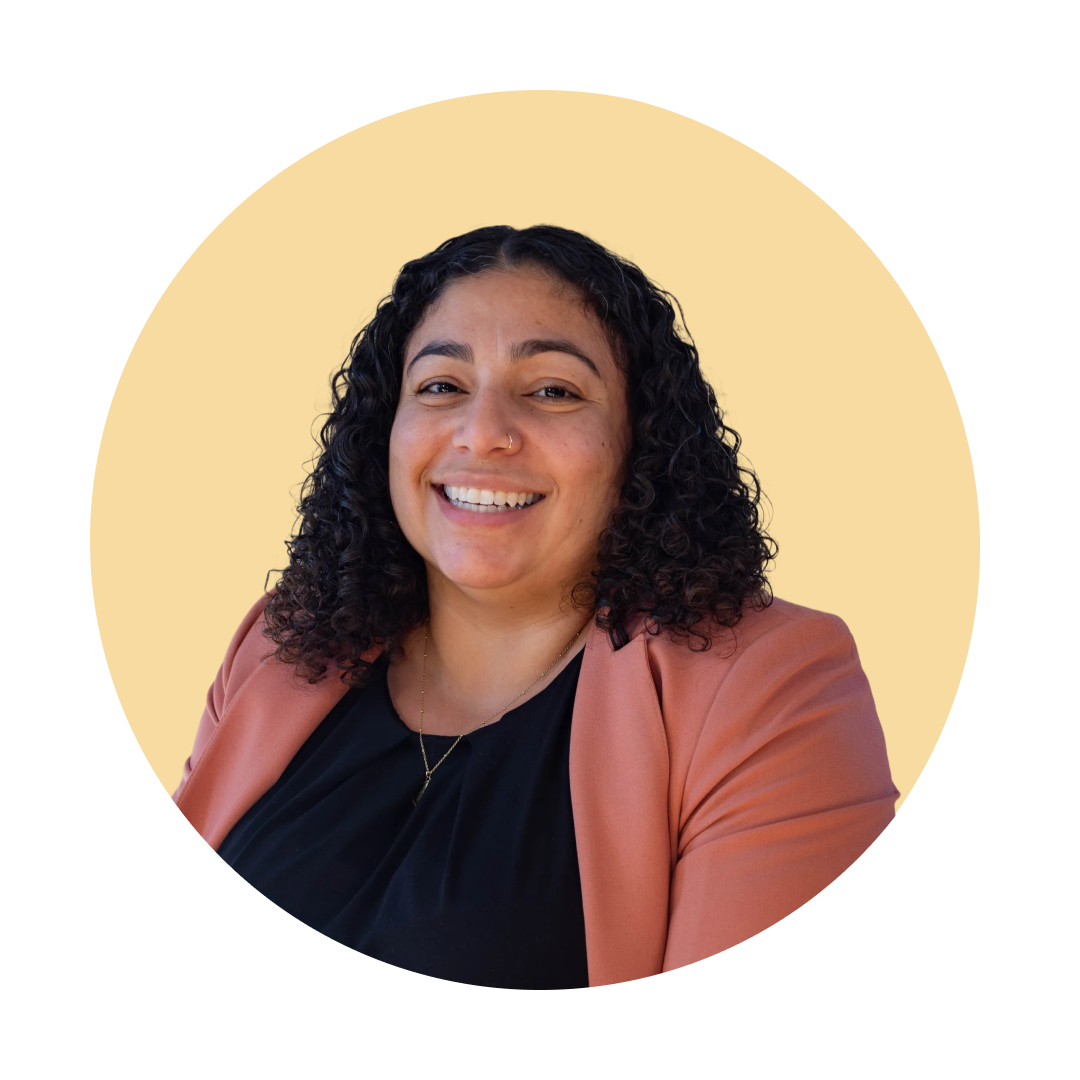
Panelist: Adriana Abizadeh-Barbour, Executive Director, Kensington Corridor Trust

Panelist: Executive Director, Transform Finance
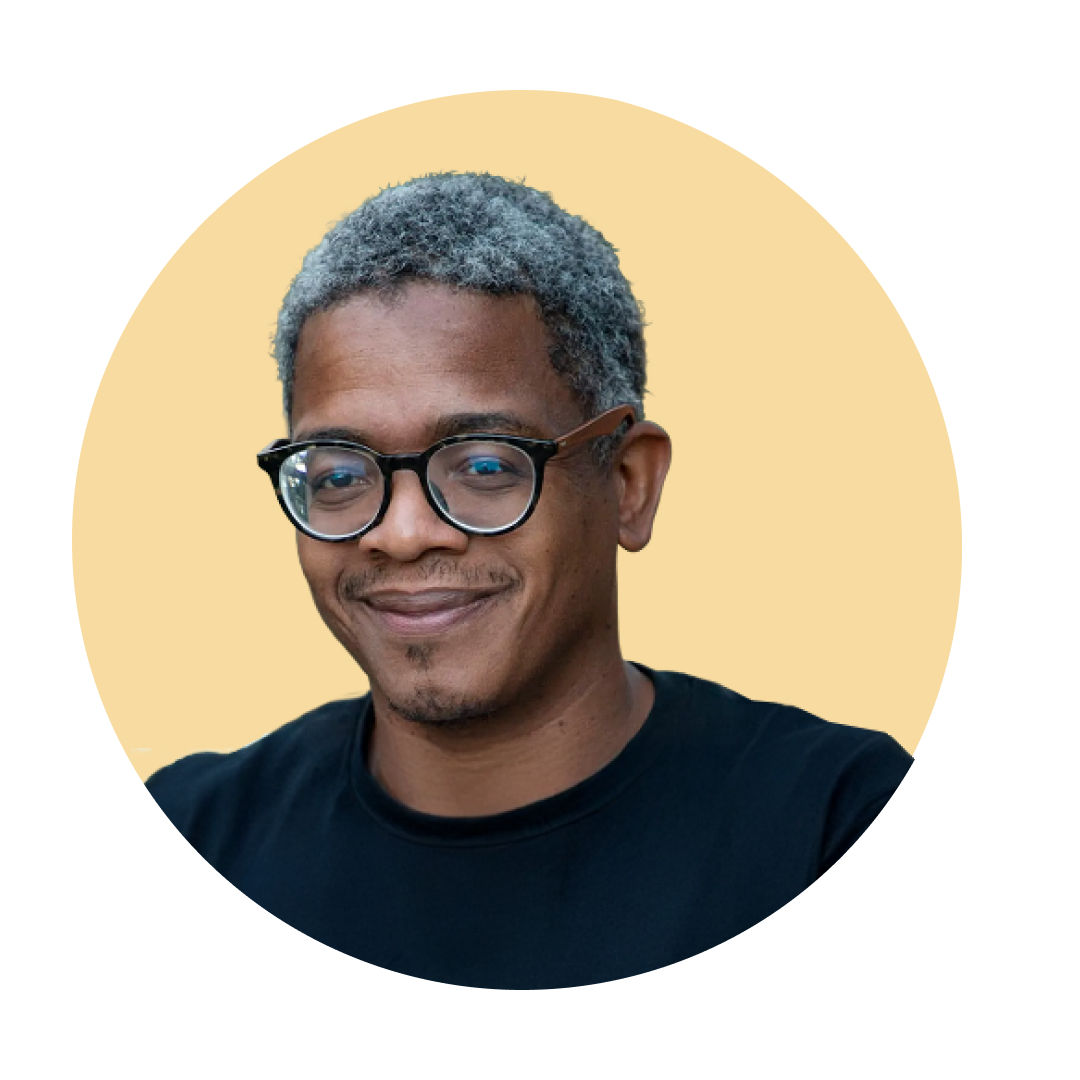
Panelist: Ismail Samad, Co-Founder, Loiter
Here are five key insights from their candid and inspiring discussion:
1. Collective Governance Enables True Community Ownership
True community ownership requires more than symbolic participation; it depends on collective governance that gives real power to local residents and business owners. At Kensington Corridor Trust (KCT), only those who live or run a business in the 19134 zip code can serve in governance roles, anchoring decision-making in the community itself.
When major decisions arise, like selecting a new business tenant, KCT staff and applicants meet residents in their neighborhoods, gathering feedback across all census tracts over several months. “For most decision making at the Trust, we’re actually required to do external engagement for several months prior to the codifying decision,” says Adriana Abizadeh-Barbour. This deep engagement has helped KCT retain every business they’ve brought in—a testament to the power of neighbor-driven stewardship.
2. Relationships and Circular Economies Build Collective Resilience
Enduring ownership is built on deep relationships, both among people and between people and place. Loiter’s work in East Cleveland demonstrates this by building a genuine circular economy—one where the supply chain is anchored within the neighborhood. At Maroon Square, local entrepreneurs sell products made from ingredients grown by nearby farmers and grocers. Money spent at a local business goes directly back to other residents, keeping resources circulating inside the community.
This local supply chain is paired with a community-driven approach to sustainability. Entrepreneurs are required to reuse glass jars, use compostable materials, and eliminate single-use plastics. As Ismail Samad explains, “We’re not looking to outside forces or taking guidance from external actors. We’re trying to show that the dollar stays within the community in a very real way, and it’s protected because we’ve put our ethos into practice…This approach broadens the definition of environmentalism—not by fitting a stereotype, but by making bold, locally-rooted choices that keep wealth and well-being within the neighborhood.“
3. Extractive Investment Models Undermine Community Power
Conventional investment models often undermine community-driven ownership by imposing rigid requirements and retaining power. Curt Lyon notes that while Community Development Financial Institutions (CDFIs) are often seen as mission-driven, their loan terms can resemble those of commercial banks. “Some projects are leaving CDFIs for commercial banks because it’s actually pretty similar terms, but you don’t have to do impact reporting on top of all of that. You know, there’s that time requirement.”
This rigidity destabilizes projects before they get off the ground. Early-stage community ownership demands patience, flexibility, and a willingness to let communities set their own pace. “Capital is such an important factor. It can really throw a mission-driven project off its original track if it’s not structured properly, or it can be a really helpful support. Our role is really to help capital operate in a way so that the communities themselves can successfully have control and define their own success.”
Adriana reinforced the point: “You don’t have to have power over the structure in order to invest in it. And I think that gets lost sometimes… The most important part for any of those levers is to acknowledge that.” When capital serves community vision rather than dictating terms, it becomes a tool for empowerment, not extraction.
4. Local Adaptation, Not Replication, Turns Policy Wins Into Community Tools
Communities build lasting wealth when they treat policy not as a rigid blueprint, but as a set of tools to adapt and reimagine for local needs. Lasting change happens when communities see policy successes elsewhere as inspiration, not as out-of-reach exceptions. As Adriana Abizadeh-Barbour observed, “We start to see it as a Seattle thing, a New York thing, oh… that can only work there… That type of lens or perspective is what continues to limit us and bind us in these movements.” Shifting this mindset allows communities to turn inspiration into practical progress, transforming proven solutions into locally meaningful action.
Policy work is more than passing new laws. It is about breaking isolation, learning from others’ successes, and reworking ideas to fit a community’s own strengths and realities.Kensington Corridor Trust’s work in Philadelphia now supports grassroots leaders in Trenton, adapting lessons to fit local needs. As Ismail Samad notes, communities must “define it as we go,” resisting status quo thinking. Real impact comes from adapting policy wins to local realities, not copying them wholesale.
Collaboration and mutual aid are at the heart of these efforts. “We’re trying to really signal our power in a very real way, but putting it in the context of love-based transactions that prioritize the ownership that we currently have. It’s the edification and the community building and the sort of complete buy-in of the whole that we’re trying to tap into as Loiter.” Local adaptation, grounded in partnership and respect, is what transforms policy wins into genuine community tools.
5. Leading with Vision, Not Permission
Communities secure their futures most effectively when they define the systems and values that shape their neighborhoods—without waiting for outside approval. Ismail Samad’s work with Loiter in East Cleveland demonstrates how communities can use their own power to reimagine what’s possible. In East Cleveland, outdated ordinances prohibit composting and multi-species development, even though these practices align with community priorities and would benefit residents and the land. As Ismail explains, “Power is connected to policy. If we can get in early enough and say, we hold the power, we hold the land, we hold the businesses, we can now set things up… How about we start to change it now based upon the people who currently have the power and the competencies and the resources to do so?”
This principle extends beyond policy. Throughout the panel, leaders emphasized the necessity of communities organizing early, building capacity, and using their collective strength to determine how assets are managed, who benefits from investment, and what success looks like. Whether through KCT’s neighbor-driven governance or Loiter’s work to codify community values, the lesson is clear: when communities lead with their own vision, they protect what they have built and create the foundation for lasting resilience.
As Adriana Abizadeh-Barbour reflected, “Doing this work is hard, it’s messy, it’s complicated, but it can be so beautiful. The outcomes of what is possible, the futures that we’re designing for, the possibilities that we’re imagining and then leading those into fruition—that’s the work. That’s where we need the investment, that’s where we need the support.” Leading with vision, not permission, means communities claim the right to shape their futures on their own terms.
Questions from the Community
We received many thoughtful questions during the webinar—far more than we could address live. Curt Lyon answered a few that surfaced most often:
Can you share examples of relationships—whether with individuals, agencies, or institutions—that have been unexpectedly critical to your work?
- This ICC paper provides a strong call to philanthropy and details different community ownership models and design processes.
- This SPARCC paper is highly useful for understanding how various projects navigated tradeoffs and capital needs.
- Our Participatory Investment Report covers community investment funds and real estate models, with particular attention to design, governance, and how funders and impact investors could best support true community-led processes.
- Community Desk Chicago has a great Community Investment Playbook that is action-oriented and practical for communities starting their own projects.
- Community Field Notes is a website with a lot of resources in one place. TF is working with COSIT and other partners as part of a joint initiative to inform different stakeholders in the field.
How do new groups overcome the “chicken and egg” challenge of needing capital to build trust, and needing trust to access capital?
- Addressing this challenge requires a fundamental shift in how philanthropy supports these efforts. Early-stage grants and flexible, long-term financing are the most effective ways to break the cycle, but funders need to challenge their own concepts of risk to truly help kickstart community-led projects.
How can communities and advocates influence CDFIs to provide more affordable loan terms and products?
- One effective strategy is to partner with existing institutions—such as developers, other lenders, anchor institutions, or local foundations—that CDFIs had already worked with, which could boost credibility for new projects. However, these partners need to be aligned with and follow the vision of community leaders, serving as supporters rather than drivers of the project.
Claiming the Future, Together
Lasting community ownership isn’t the result of any single model or policy. It grows from deep governance, strong relationships, and adapting solutions to local realities. It requires rejecting extractive systems and insisting that capital and policy serve community priorities. Above all, it means leading with vision—defining success from within, not waiting for outside permission.
Building this kind of power is hard, messy, and collaborative. But when communities claim the right to shape their destinies, they open new possibilities for resilience, wealth, and justice—for themselves and future generations.